
Kolte Patil FY26 Results: What They Mean for Bangalore Home Buyers
Kolte Patil Developers closed the year to 31 March 2026 (FY26) with record collections of Rs. 2,689 Crore and a net loss in its accounts. Both are true at once, and the reason is the way the company counts revenue. This article sets out the FY26 figures, explains the accounting behind the loss, and shows how a Bangalore home buyer can use a developer's results.
The FY26 Figures
Kolte Patil is a listed company based in Pune, with projects in Pune, Mumbai and Bangalore. It published its sales and collections for the year in April 2026 and its audited results on 22 May 2026. The main figures are these:
| Measure | FY26 | January to March 2026 |
|---|---|---|
| Sales (value of homes sold) | Rs. 2,605 Crore | Rs. 714 Crore |
| Collections (cash received from buyers) | Rs. 2,689 Crore | Rs. 834 Crore |
| Average price realised | Rs. 8,314 per sq ft | Rs. 9,601 per sq ft |
| Revenue from operations | Rs. 734.96 Crore | Rs. 248.61 Crore |
Collections for the year rose 11% from Rs. 2,424 Crore in FY25 and were the highest the company has reported. In the last quarter, sales rose 13% and collections 18% over the same quarter a year earlier. The average price of Rs. 9,601 per sq ft in that quarter was 21% higher than a year before and was also a record.
Revenue moved the other way. It fell from Rs. 1,717.38 Crore in FY25 to Rs. 734.96 Crore in FY26, and the company reported a net loss for the last quarter and for the full year. The year before, both periods had ended in profit.
Why the Accounts Show a Loss
Kolte Patil follows the completed contract method of accounting. Under this method, the money from a home is counted as revenue only when the project is finished and the home is handed over. Until then, the amounts paid by buyers are held on the balance sheet as advances.
Sales and collections follow the market, while revenue follows the handover calendar. A year with few project completions therefore shows low revenue, even if homes sold well and buyers paid on time. The fixed costs of the business continue through the year, so a thin revenue year can end in a loss.
FY26 was such a year for Kolte Patil. Fewer projects reached completion than in FY25, and revenue dropped by more than half. The homes sold during FY26 will enter revenue in later years, as each project is completed and handed over.
Which Figures Matter to a Buyer
A buyer of an under-construction home is mainly concerned with one question: will the developer have the cash to finish the building. Collections answer that better than profit does, because they measure the money actually received to pay for construction. Rising collections alongside steady sales point to buyers who are paying their instalments on schedule.
The profit line still deserves a look over several years. A loss caused by the timing of completions is different from a loss caused by weak sales or heavy interest costs. The second kind usually shows up as falling collections and rising debt, and neither appeared in the FY26 figures above.
The Blackstone Holding
Blackstone, the global investment firm, holds about 40% of Kolte Patil and came in as a strategic partner during FY26. A large institutional owner usually brings tighter financial controls and easier access to capital. The company also added new projects at Bhugaon in Pune during the year, with a gross development value of about Rs. 2,250 Crore.
The year was also one of change inside the company, with a new partner and a leadership transition. For a buyer, a strong shareholder is a comfort at the company level. It does not replace the checks on the tower in which the home is located.
Kolte Patil in Bangalore
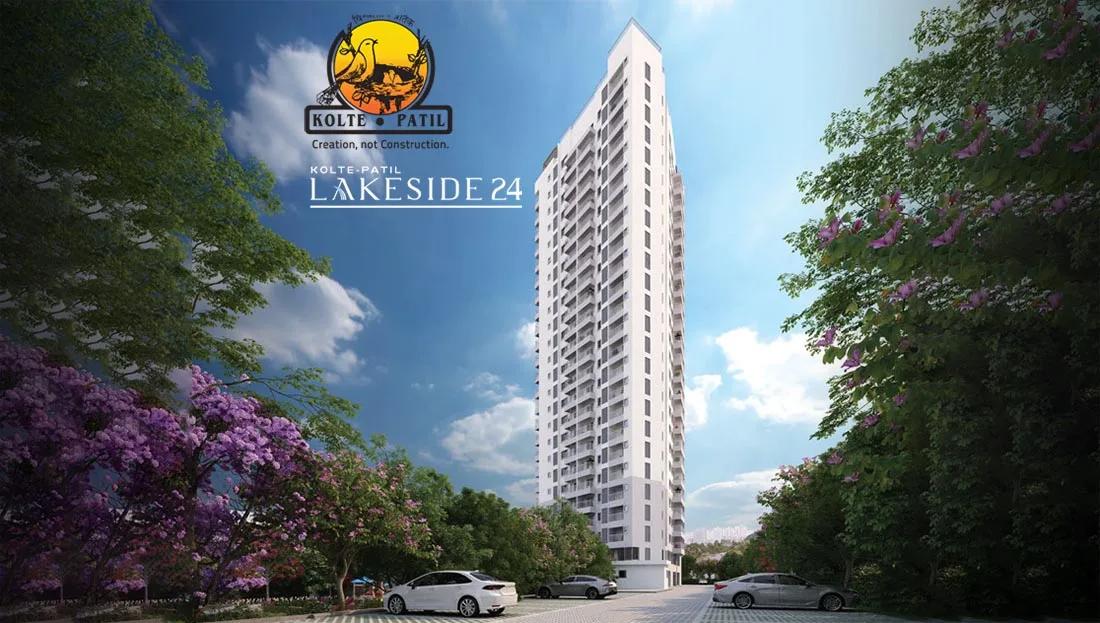
Bangalore is the smallest of the company's three markets, and most of its sales come from Pune. Its Bangalore work includes completed projects in Koramangala, Horamavu and Electronic City. Kolte Patil Lakeside 24, off Hennur Road in the Thanisandra belt, is under construction, with possession planned from October 2028.
The company's results are reported for the whole business and are not split by city in the published figures. They say little about the funds or the progress of one Bangalore tower. Each project's RERA registration and quarterly updates remain the right place to look for that.
Reading a Developer's Results
Listed developers publish results every quarter, usually with a short operational update a few weeks earlier. The figures below tell most of the story for a home buyer:
- Collections, and whether they are rising or falling over several quarters
- Sales value and the area sold, which show demand for the developer's homes
- The accounting method, which decides when sales turn into revenue and profit
- Net debt and the ratio of debt to equity
- Operating cash flow, which shows whether the business pays for its own construction
- Handover updates on ongoing projects, compared with their RERA dates
One quarter is a small sample, and a single loss or a single record tells a buyer little. Four to eight quarters read together give a fair picture of the trend.
Project Checks That Still Apply
Company results are background to the purchase. The checks on the home itself are the same for every developer:
- Find the project's registration number and completion date on the Karnataka RERA portal
- Compare the quarterly progress updates on the portal with the work visible on site
- Ask whether the land is owned by the developer or held under a joint development agreement
- Get the carpet area, the full cost sheet and the payment schedule in writing
- Read the delay compensation clause in the draft agreement for sale
- Visit a project the developer has handed over in Bangalore in the last few years
- For a completed project, ask for the occupancy certificate and the khata
Ask us for the current price sheets and availability of Kolte Patil homes in Bangalore. We will share the RERA details of each project along with them.